The Psychology of Romantic Spaces: Colors, Lighting & Layout That Create Intimacy
Introduction: Why Romantic Spaces Matter
Valentine’s Day isn’t just about flowers and candles; it’s about creating environments that encourage connection, comfort, and emotional closeness. Interior design plays a powerful psychological role in how we feel within a space. The right combination of colors, lighting, and layout can transform an ordinary room into an intimate sanctuary where conversation flows and stress melts away.
Whether you’re designing a cozy apartment corner or a luxurious bedroom retreat, understanding the psychology behind romantic spaces allows you to create environments that feel naturally warm and inviting, not staged or overwhelming.
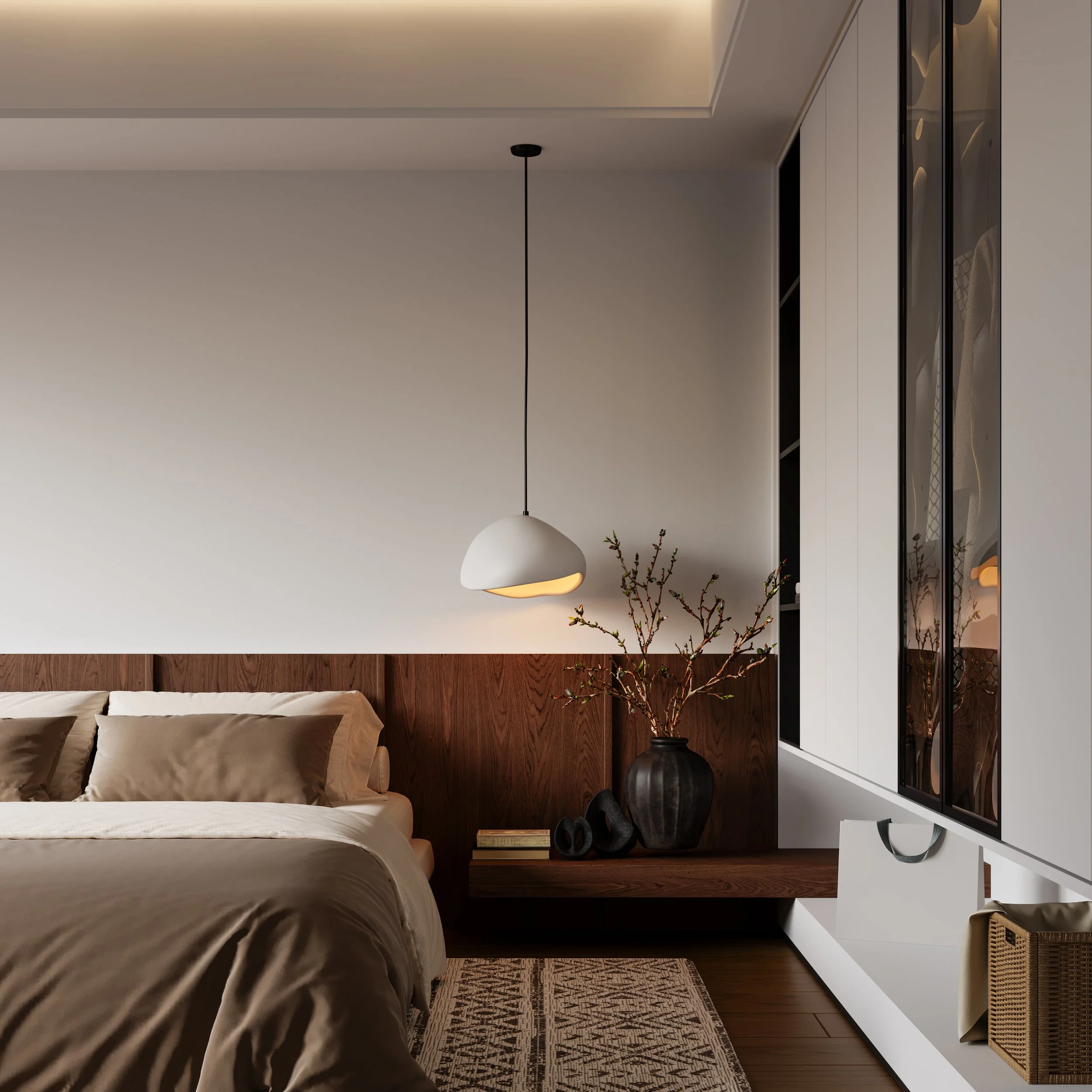
A serene bedroom retreat with warm lighting, soft textures, and romantic tones that feel naturally cozy and intimate.
The Power of Color Psychology in Romantic Interior Design
Color influences mood faster than almost any other design element. When designing romantic spaces, focus on hues that promote calmness, warmth, and emotional connection.
Warm Neutrals for Comfort
Soft beige, cream, and warm taupe create a relaxed foundation that feels safe and welcoming. Neutral palettes also allow other romantic elements—like textiles and lighting—to stand out without visual clutter.
Soft Reds & Muted Pinks for Passion
Deep rose, terracotta, and dusty pink tones evoke love and affection without feeling overly bold. These colors stimulate emotional warmth while maintaining elegance.
Earthy Tones for Grounded Intimacy
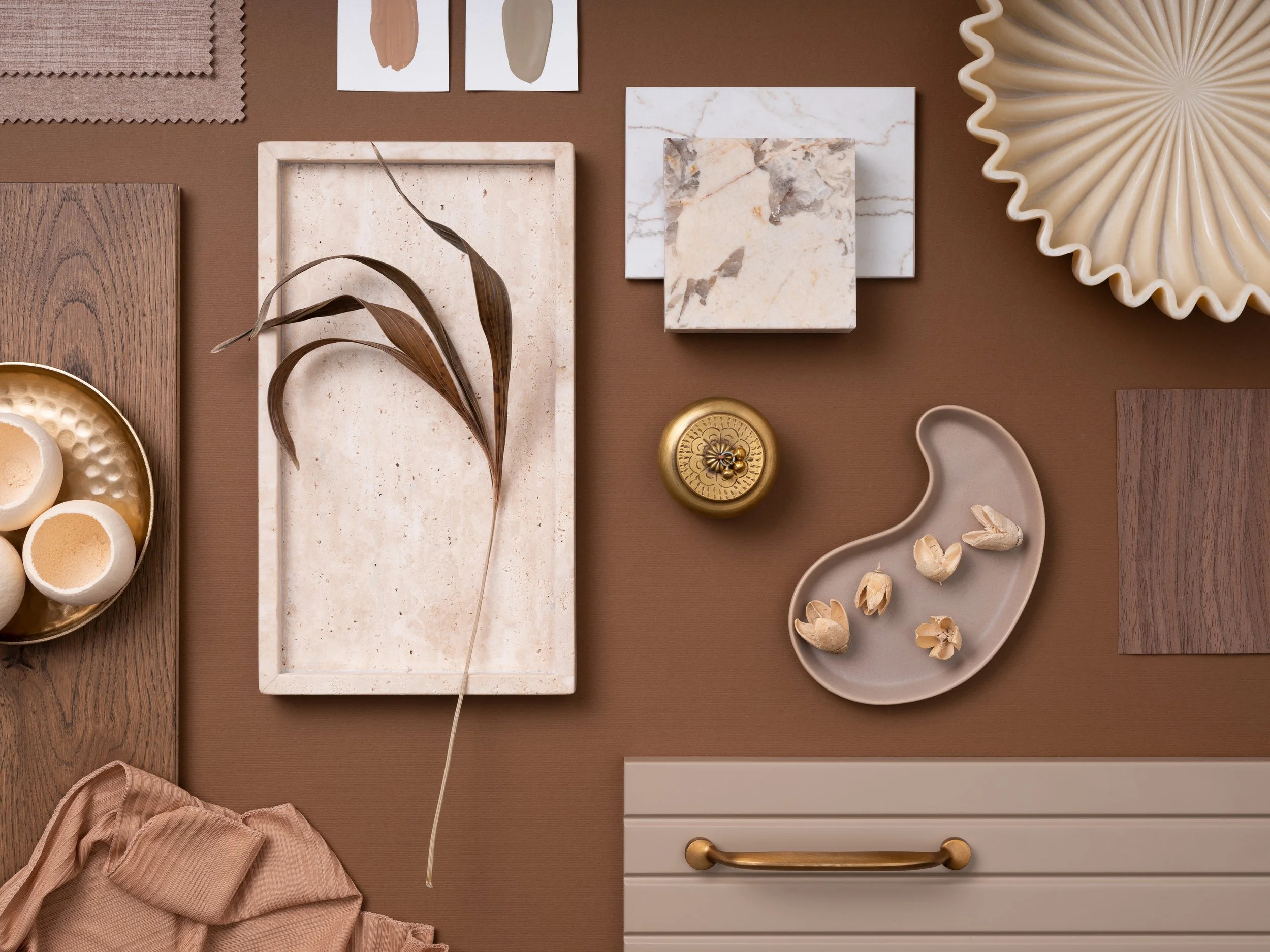
Warm browns, olive greens, and clay-inspired shades bring a sense of stability and connection to nature—qualities that help people feel relaxed and present.
Pro Tip: Instead of painting an entire room red, introduce romantic colors through throw pillows, blankets, or artwork to maintain balance.
Lighting: The Secret Ingredient to Emotional Atmosphere
Lighting can make or break a romantic interior. Bright overhead lighting often feels clinical, while soft, layered lighting creates warmth and intimacy.
• Layered Lighting for Depth
Combine multiple light sources—floor lamps, table lamps, wall sconces, and candles—to create a dynamic and cozy atmosphere.
• Warm Color Temperatures
Choose bulbs between 2200K and 3000K for a soft glow that flatters skin tones and promotes relaxation. Harsh white lighting can feel sterile and emotionally distant.
• Dimmers for Mood Control
Installing dimmer switches allows you to shift the energy of a space instantly—from bright and lively to soft and intimate.
• Candlelight & Soft Glow Accents
Candles, LED lanterns, and string lights add gentle movement and warmth, helping spaces feel personal and inviting rather than overly formal.
Layout & Furniture Placement: Designing for Connection
How furniture is arranged has a huge impact on how people interact. Romantic layouts encourage conversation, closeness, and shared experiences.
Create Conversation Zones
Arrange seating to face each other rather than focusing entirely on a TV or single focal point. Small sofas, loveseats, and cozy armchairs positioned at angles promote eye contact and connection.
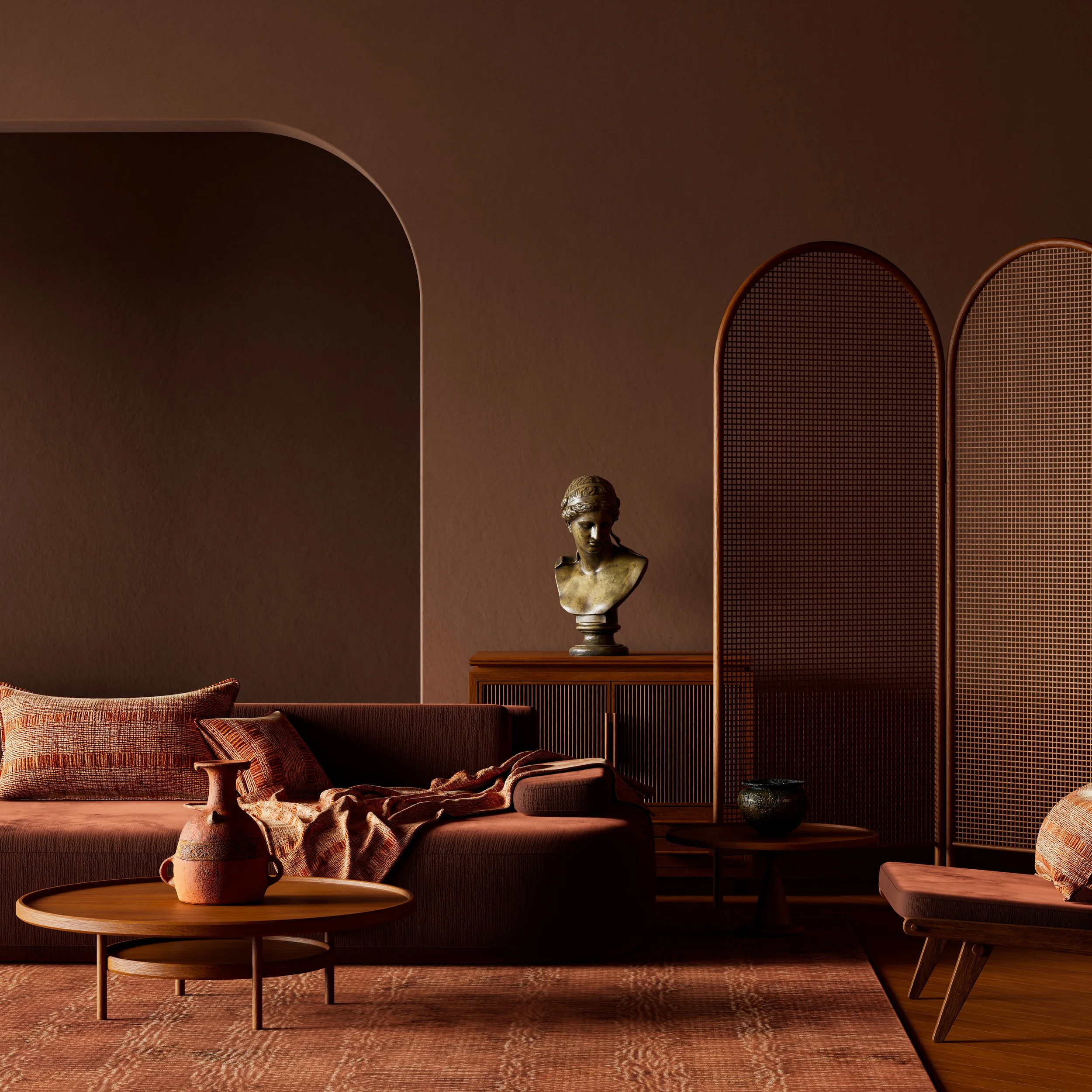
Embrace Soft Curves
Rounded furniture and circular arrangements feel more inviting than sharp, rigid lines. Curved silhouettes subconsciously encourage comfort and openness.
Reduce Visual Barriers
Large coffee tables or bulky furniture between seating areas can create psychological distance. Choose lighter pieces or ottomans that maintain openness.
Design Cozy Nooks
Window seats, reading corners, or small dining spaces for two naturally foster intimacy and private moments.
Texture & Sensory Elements: The Overlooked Layer of Romance
While colors and lighting are essential, tactile experiences make a space feel truly romantic.
•Soft Fabrics: Velvet, faux fur, and plush cotton add warmth and comfort.
•Layered Rugs & Throws: Encourage relaxation and lounging.
•Natural Materials: Wood, stone, and linen provide authenticity and calmness.
•Subtle Scents: Candles or diffusers with vanilla, sandalwood, or rose create emotional associations with comfort and affection.
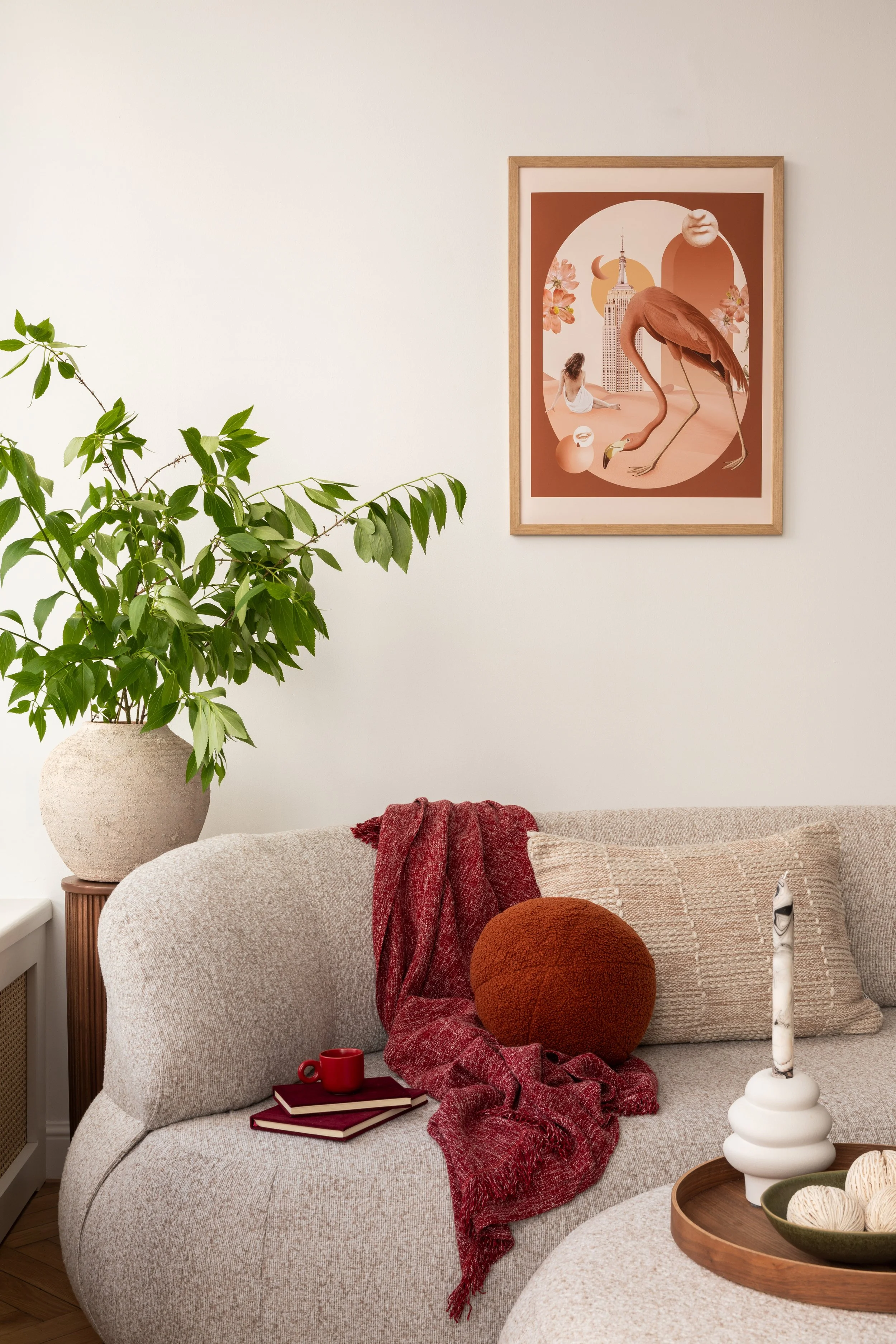
Romantic design is as much about how a room feels as how it looks.
Valentine’s Day Styling Tips That Feel Timeless
Avoid temporary decorations that feel overly seasonal. Instead, focus on elements that work year-round:
•Swap bright white bulbs for warm ambient lighting
•Add fresh flowers in neutral vases
•Incorporate romantic artwork or framed photos
•Introduce layered bedding for hotel-style luxury
•Use soft music and gentle scents to engage multiple senses
These small updates create a Valentine’s atmosphere without requiring a complete redesign.
Common Mistakes to Avoid in Romantic Interior Design
•Overusing Red: Too much can feel overwhelming rather than intimate
•Relying on One Light Source: Flat lighting kills mood and depth
•Cluttered Spaces: Visual noise increases stress and reduces connection
•Ignoring Comfort: Romantic spaces should invite relaxation, not just look pretty
Final Thoughts: Designing Spaces That Strengthen Connection
Romantic interiors aren’t about clichés—they’re about crafting environments that encourage emotional closeness, calm conversation, and shared moments. By using thoughtful color palettes, warm layered lighting, and layouts designed for interaction, you can transform everyday spaces into meaningful retreats.
Valentine’s Day is the perfect excuse to refresh your home, but the true goal is creating a space that supports connection and comfort all year long.
